
As we get into March Madness and everything is about basketball, I figured it would be a good time to talk about basketball nutrition and what foods basketball players should eat before a game!
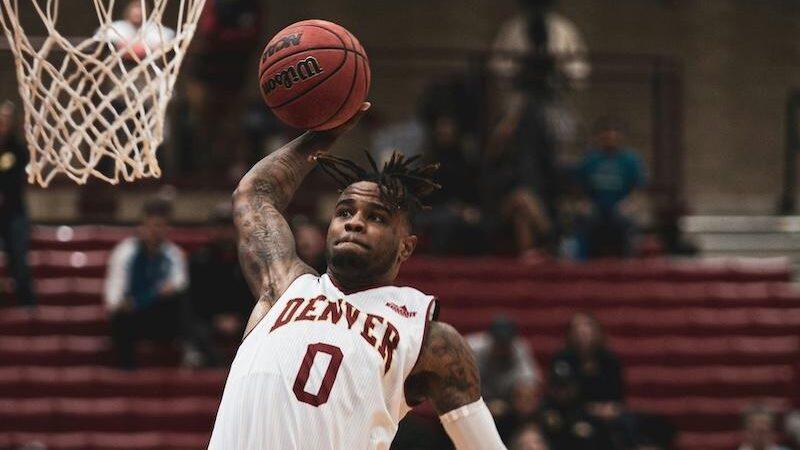
Proper nutrition is essential for all athletes to perform at their best, and basketball is no different. Basketball uses all three energy systems throughout a game: quick bursts of intense play (fast breaks and stop-and-go movements across the court), short, explosive actions like power layups, and slower-paced plays that allow for brief rest, like free throws and time-outs. All this basically just means that basketball requires energy from fats, carbs, and proteins, and a basketball player’s diet should reflect this.
Because of the unique energy demands of the sport, basketball players need the right amounts and types of fuel to delay fatigue (keep from getting tired) during the game. In elite levels of play, like the NCAA tournament, this can be the difference in game outcome – who has the energy to play hard until the end? And with the high number of close matchups, having the stamina and energy to play overtime is also worth considering. This is the time of year when the combination of specialized strength and conditioning and dialed-in nutrition and hydration can be the difference in making it to the next round!
Key Nutrients for Basketball Games
Carbohydrates (Primary Energy Source)
Carbohydrates are the primary source of energy for most sports, and basketball is no different. Basketball players need carbohydrates to make up about 55-60% of their diets.
Our bodies can only store a limited amount of carbohydrates, known as glycogen. As exercise duration increases, glycogen stores become depleted, requiring more carbs to be consumed. By consuming enough carbs before the game and during halftime, we can prevent those stores from running out and keep energy up for both halves or all four quarters. It’s smart for players to eat carbs with every meal and snack, especially on game days.
Complex carbs, like potatoes and most fruits, are high in fiber and take time to digest, so they keep you full and provide energy for hours. Simple carbs digest quickly and provide quick energy without upsetting your stomach. Basketball players should eat simple carbs as a pregame snack about an hour before the game and at halftime, and should eat complex carbs about 3-4 hours before the game as part of their pregame meal.
Examples of complex carbohydrates to include in a pre-game meal include whole grains like whole-grain bread and bagels, as well as rice, tortillas, potatoes and sweet potatoes, quinoa, farro, oatmeal, and pasta. Many types of fresh fruit are also good sources of carbohydrates and fiber.
Some great options for simple, quick carbs are sports drinks, gels, fruit chews, granola bars, bananas, a fruit smoothie, or applesauce.
Protein (Muscle Repair & Growth)
While protein is not readily available as an energy source for exercise, it helps stabilize blood sugar levels and keep us full longer, preventing hunger during a long game. It is also important for muscle building, helping to repair muscle after it is broken down during intense games and hard workouts.
Every pre-game meal should include a source of protein to keep you full, and every recovery meal should include protein to ensure muscle can repair and rebuild. Some lean proteins include chicken, turkey, salmon, tuna, eggs, beans, and lentils.
Healthy Fats (Sustained Energy)
Fats provide more calories than carbs and protein, and are important for energy during longer-duration activity (like overtime). However, it’s best to avoid eating high-fat foods immediately before a game, as they can take longer to digest and cause stomach discomfort or a pesky side stitch. Instead, get fats in small amounts during a pregame meal to add flavor and fullness, and then load up on healing fats post-game to help fight inflammation and replenish calories burned during the game.
Good sources of healing fats include nuts and seeds, nut butters, avocado, dairy products, and olive oil.
Hydration
Proper hydration is essential for optimal performance. Athletes should monitor their fluid intake every day, especially the day before a game, and on game day. The goal should always be to be well-hydrated at tip-off.
Basketball players lose ALOT of water during games. Even though they are an indoor sport, they sweat alot because they are very active and play at a high intensity. Hydrating throughout the game and post-game to replace water lost through sweating is so important for minimizing the risk of cramping, injury, and soreness. Pay attention this March – what are your favorite players doing on the bench and during time-outs? My guess is they are being handed a water bottle and drinking!
Drinking water is the best way to stay hydrated throughout the day, but sports drinks can also help replenish electrolytes and carbohydrates immediately before and during the game.
Common Nutrition Mistakes Basketball Players Make
Some of the most common mistakes that I’ve seen basketball players make all have to do with not taking their nutrition seriously enough.
- Skipping meals: While game-day nutrition is important, what you do throughout the week also affects performance. If you are constantly skipping breakfast, you likely aren’t getting enough fuel in daily and are showing up to practice and lifts without enough energy. This puts you at greater risk of injury and prevents you from practicing to your full potential.
- Not drinking enough water: The majority of high school and college athletes are chronically dehydrated. This slows recovery, can raise body temperature, and make you feel like you are working harder. Plus a bunch of other not good things. Just drink some water!
- Over-reliance on convenience foods: Just because you aren’t gaining weight and have the talent to play well with less-than-ideal food choices, doesn’t mean you should. Even making small changes to your diet can improve your sports performance and recovery.
- Poor meal timing: Not eating before a game can affect energy levels, and not getting in meals post-practice or after a game can affect recovery.
Pre-Game, In-Game, and Post-Game Nutrition
Pregame Meals
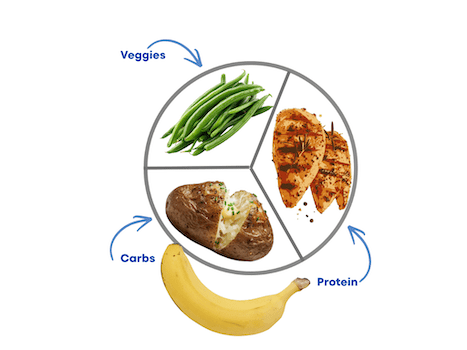
Pre-game nutrition provides the body with the fuel it needs for peak performance. A meal that is high in carbohydrates, moderate in protein, and low in fat is ideal. Think about having one-third of your plate covered in carbs, 1/3 in protein, and 1/3 in veggies, plus a fruit on the side. Timing is also important, and athletes should aim to eat a meal 3-4 hours before a game. Finally, drinking water throughout the day is essential for optimal performance.
As game time approaches, a small carbohydrate-rich snack will provide quick energy.
During the Game
A carb-rich snack that is quick to eat and easy to digest is perfect for halftime, while a sports drink with carbohydrates is ideal for replacing carbs during time-outs. Some of my favorite options are honey sticks, applesauce pouches, bananas, and even energy chews!
Everyone’s in-game hydration strategy is unique to them, depending on factors like how sweaty they get. Working with a dietitian is truly worth it to figure out an individual hydration plan for you! But alternating between water and a sports drink is a good start!
Post-Game Recovery
Post-game, we want to repair and replenish. Carbs and protein, as soon as possible, ideally in a liquid form, can get to the muscle quickly. A post-game shake while stretching or doing therapies is ideal.
For a post-game meal, focus on replenishing carbs and fluids used during the game by filling half your plate with carbs again. Repair muscle that was broken down by getting adequate protein, as well as antioxidant-rich foods like fruits and veggies to fight inflammation. Plus, some fat!
Sample Basketball Game Day Meal Plan
Breakfast: Eggs, bacon, berries, whole-fat Greek yogurt, peanut butter, and toast. Water!
Pre-game meal: 1 sweet potato with a pat of butter, 8 ounces of grilled chicken, 1 cup of sautéed veggies, 1 cup of strawberries. Glass of water.
Snack: Granola bar + banana, water or a sports drink.
Halftime: 2 applesauce pouches and a sports drink.
Postgame: 1-2 cups of chocolate milk or a protein shake.
Recovery Meal: 2 cups of pasta with marinara sauce, 6 lean ground beef meatballs, 3/4 cup of zucchini, and 1/2 cup fruit.
FAQs About Basketball Nutrition
A pre-game meal should be high in carbohydrates, moderate in protein, and low in fat. Near game time, a carbohydrate-rich snack should be consumed.
Pre-game nutrition is about the right food at the right time. Ideally, athletes should aim to eat a full meal 3-4 hours before a game to allow for proper digestion. This meal should be high in carbohydrates, moderate in protein, and low in fat. As game time approaches, a small carbohydrate-rich snack will provide quick energy.
It’s a great habit to learn to replenish some carbs during halftime. By getting some carbs in mid-game, you provide your muscles with energy and delay fatigue in the second half. Eating can even reduce the rated perceived exertion. This is fancy language that means you feel like you are working harder than you are, like you are putting forth so much effort but not actually getting anywhere. And by eating, the effort feels more…effort-less.
Sports drinks are meant to be drunk during a game or training. When you’re active, the carbs in these drinks provide a fuel source for your muscles. This allows you to delay fatigue without having to stop to eat during a game. But you don’t need these quick carbs at rest, so sports drinks are most effective before, during, and after activity.
Of course. While it can be more difficult when there is less choice involved (dining halls, pre-set catered meals), it is definitely possible. Eggs, dairy, beans, nuts, and seeds, as well as protein powders, can help you reach your protein goals.
This plate is a great example of a pregame meal for a plant-based athlete. The beans are the protein, rice is the carb, and the pico gives the veggies. You just need to add a fruit! And for a post-game meal, a shake with protein powder and milk can help ensure muscles have enough protein to rebuild. 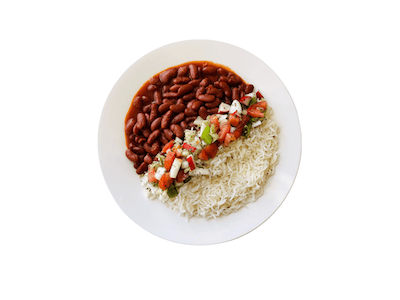
Recap
Eating the right foods at the right times and staying hydrated can help you perform at your best during basketball games. Good nutrition helps you have more energy and recover faster. Remember to eat plenty of carbs, get enough protein, and drink water often!
If all of this is new to you, start small. Try to implement one thing to start. Start by drinking a full water bottle before a game, or eating something at halftime. As you get used to one thing, you can add another.
Still have questions or want a customized plan? Schedule a consultation with me. I take insurance and many people can meet with me for free!
Sign up for my email list and be the first to know when my self-paced athlete class goes live!

